
Introduction
Skateboarding is an exciting and dynamic sport that captivates the hearts of people worldwide. However, if you’re new to skateboarding, taking those initial steps can feel intimidating. Fear not! With the right guidance and practice, you’ll soon find yourself gliding effortlessly on your skateboard. In this guide, we’ll break down the first steps into easy-to-follow subheadings to help you embark on your skateboarding journey with confidence.
Choosing the Right Skateboard
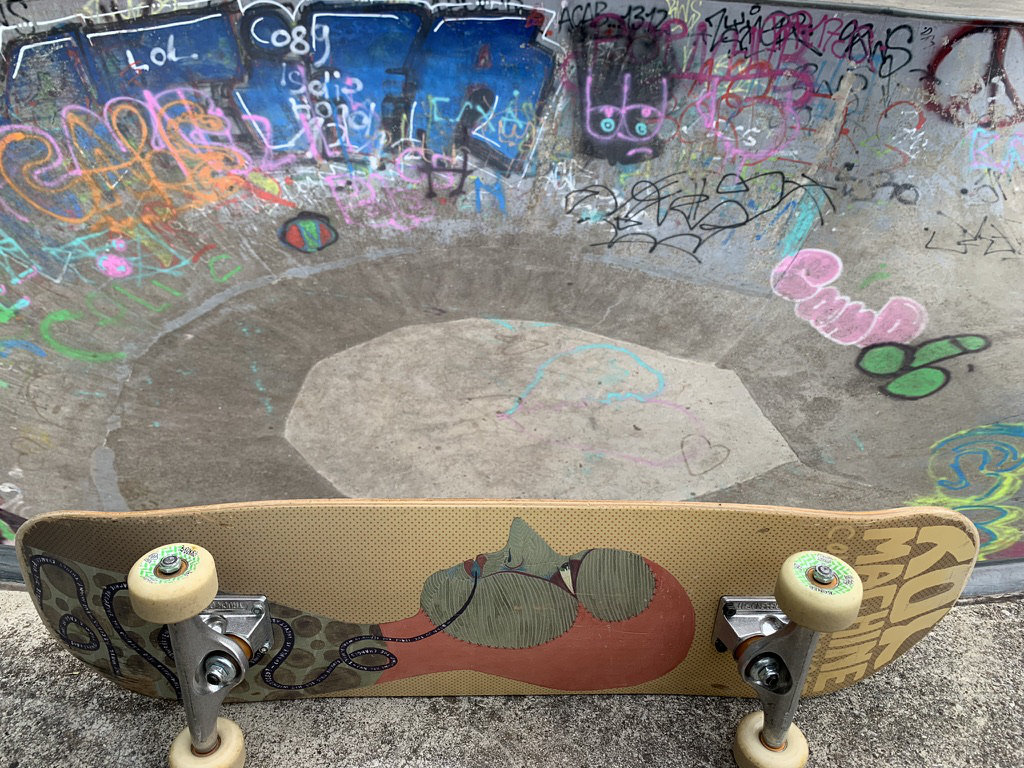
Before you take your first steps on a skateboard, it’s essential to choose the right one that suits your needs. Consider the following factors:
Deck Size: Select a skateboard with a deck width that matches your shoe size. Generally, a wider deck provides more stability for beginners.
Truck and Wheel Assembly: Ensure the trucks (metal T-shaped parts) are tight enough for stability but loose enough to allow maneuverability. For beginners, medium-sized wheels work well for all-around use.
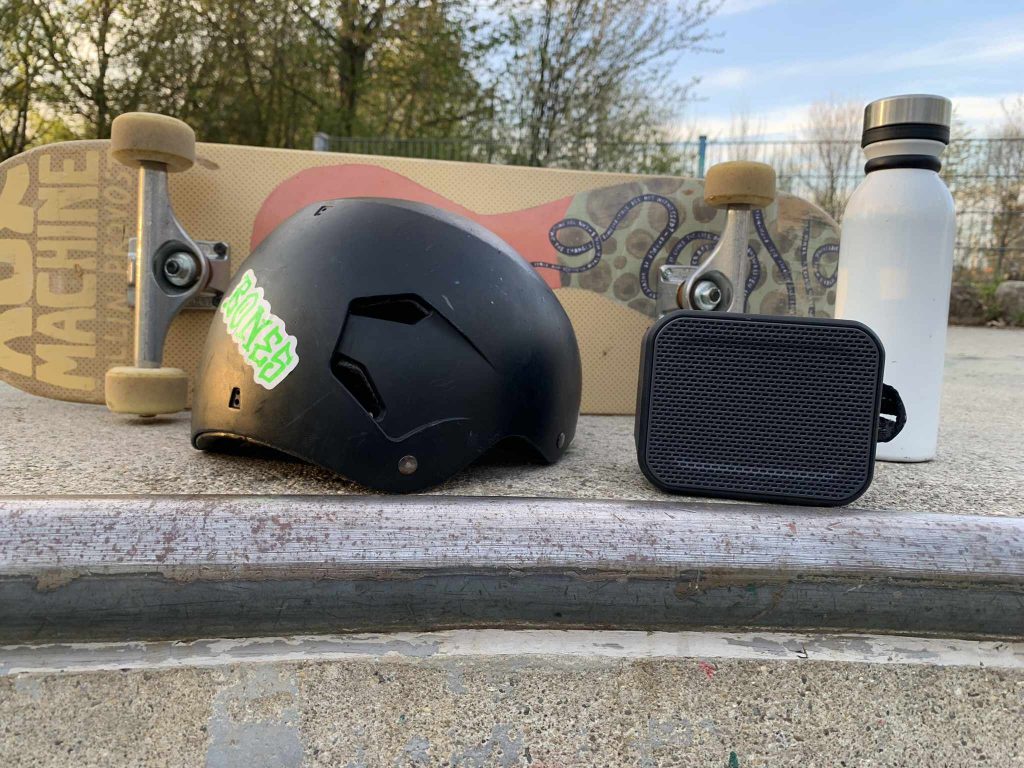
Safety Gear: Don’t forget to invest in safety gear, including a helmet, knee pads, elbow pads, and wrist guards. These will protect you from potential injuries as you learn the ropes.
Finding the Right Spot
To kickstart your skateboarding journey, you’ll need a suitable location to practice. Look for:
Smooth Pavement: Find an area with a smooth and flat pavement, like an empty parking lot, skate park, or a well-maintained sidewalk. Avoid rough terrain or surfaces with cracks, as they can make it challenging to balance.
Open Space: Ensure there’s ample room around you to move freely without obstacles or distractions. This open space will provide a safe environment for practicing your skills.
Getting Familiar with the Board
Now that you’ve got the right skateboard and found the perfect spot, it’s time to get familiar with your board:
Stance: Determine your natural stance—whether regular (left foot forward) or goofy (right foot forward). Experiment with both to discover your comfort zone.
Board Orientation: Stand on the board, aligning your feet with the bolts securing the trucks. Place your front foot diagonally across the deck with your toes angled slightly forward.
Balancing: Practice maintaining your balance by shifting your weight between your front and back foot. Keep your knees slightly bent and your core engaged for stability.
Pushing Off and Riding
With the basics covered, it’s time to learn how to push off and ride your skateboard:
Pushing Off: Position your back foot on the tail of the skateboard, allowing your front foot to stay over the bolts. Use your back foot to push off the ground while transferring your weight to your front foot.
Riding Position: As the skateboard moves forward, shift your back foot onto the bolts and adjust your front foot to a comfortable riding position. Keep your knees bent and your gaze forward.
Finding Balance: Practice riding in a straight line by distributing your weight evenly on both feet. Start with small pushes and gradually increase your speed as you become more comfortable.
Conclusion
Mastering the first steps on a skateboard is a thrilling accomplishment that opens the door to endless possibilities in the world of skateboarding. Remember, progress comes with patience and practice, so don’t get discouraged if you stumble a few times along the way. By choosing the right skateboard, finding the ideal practice spot, getting familiar with your board, and learning how to push off and ride, you’ll be well on your way to becoming a confident skateboarder. Embrace the journey, have fun, and enjoy the ride!